The Day Everything Changed — and What Kept Us Going
A personal reflection on love, loss, advocacy and hope — and the journey that gave rise to The Wendy Project.
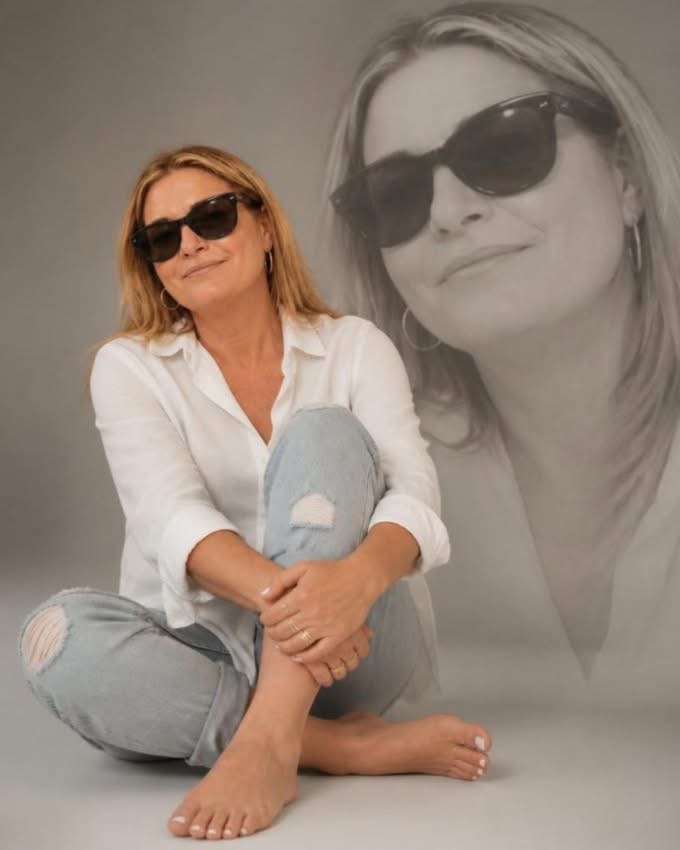
By Karen Bird
Founder, The Wendy Project · 6 min read
There are moments in life that divide everything into two parts: before and after.
For my family, that moment came in 2023 when my mum, Wendy, was diagnosed with Lewy Body Dementia (LBD).
Up until that point, life had been relatively normal. Mum and Dad (Chris) were still living together in the family home they had built a life in. Dad had always been Mum's biggest supporter, but after her diagnosis he would gradually take on a new role — becoming her primary carer, advocate, companion and source of strength.
At the time, however, we didn't fully understand what lay ahead.
I attended every neurology appointment with Mum and Dad. Looking back now, I'm grateful I did, because there were so many moments and conversations that would shape the journey that followed.
I still remember the day Mum received her diagnosis.
After explaining the results, Mum's neurologist looked at us and said something that immediately caught my attention.
This is the same disease Robin Williams had.
I remember feeling a knot form in my stomach.
Then he looked directly at me and said, “Go and Google LBD, then come back with all your questions.”
So that's exactly what I did.
And I didn't stop.
Like many family members faced with a devastating diagnosis, I went into research mode. If there was information available, I wanted to find it. If there was a treatment being trialled somewhere in the world, I wanted to know about it. If there was a supplement, therapy, lifestyle intervention, or clinical study that offered even the smallest glimmer of hope, I wanted to understand it.
Some people cope by avoiding information.
I coped by chasing it.
I spent countless hours reading medical journals, research papers, online forums, specialist websites and lived experience stories from families around the world. I searched for conventional treatments, emerging therapies, clinical trials, nutritional supplements and alternative approaches.
I wasn't looking for miracles.
I was looking for possibilities.
Most importantly, I was looking for ways to give Mum the best quality of life possible.
Every time we returned to see her neurologist, I arrived with a list of questions.
Sometimes it was one page. Sometimes it was several.
I would ask about medications, symptom management, research developments and supplements I had come across. To his credit, Mum's neurologist never dismissed my questions.
In fact, he encouraged them.
Whenever I suggested a supplement or alternative therapy, he would carefully review the evidence and discuss whether it was appropriate for Mum. Many of the supplements I researched were approved for trial under his guidance.
One comment he made has stayed with me ever since.
Doing something is better than nothing at all.
That simple statement gave me permission to keep searching, learning and advocating.
Not because we expected a cure. But because taking action gave us hope.
Hope can be a powerful thing when you're facing a disease that offers so few answers.
While Mum was navigating her diagnosis, Dad was navigating his new role as a carer.
Watching someone you love slowly change is heartbreaking. Watching your spouse of decades go through that journey is something else entirely.
Dad took on countless responsibilities behind the scenes. Managing appointments. Monitoring medications. Supporting Mum through difficult days. Maintaining the household. Providing reassurance when things became confusing or frightening.
Like many carers, he often put his own needs second.
What I came to learn through our experience is that dementia doesn't just affect one person.
It affects an entire family.
Everyone carries a piece of the burden. Everyone grieves in different ways. Everyone is trying to figure out how to move forward while holding onto the person they love.
As the months passed, I realised that while I was spending so much time researching treatments for Mum, I also needed support for myself.
That was when I reached out to Dementia Australia.
It was one of the best decisions I made throughout our journey.
Through Dementia Australia, I accessed counselling services specifically designed for people supporting someone living with dementia.
Those counselling sessions became a lifeline.
They gave me a safe space to process what was happening. A place where I could cry. A place where I could talk openly about my fears. A place where I could vent my frustrations without feeling guilty. A place where I could admit that sometimes I felt overwhelmed, exhausted, angry or simply heartbroken.
Because the truth is, loving someone with dementia can be incredibly difficult.
Not because of who they are. But because of what the disease takes away.
The counselling helped me understand that those feelings were normal.
It taught me that grief doesn't only happen after someone dies.
Sometimes grief begins the day of diagnosis. Sometimes grief arrives in small moments — a forgotten memory, a missed conversation, a change in personality, a loss of independence.
The support I received helped me navigate those emotions in a healthier way and gave me tools to continue supporting Mum and Dad throughout their journey.
To anyone walking the dementia path today, I cannot recommend counselling strongly enough.
You don't have to carry everything on your own. Support exists, and asking for help is not a sign of weakness.
It's a sign of strength.
As Mum's condition progressed, our family continued doing what families do best.
We adapted. We learned. We supported one another. We celebrated the good days. We navigated the hard ones. And we kept moving forward together.
Although Mum eventually passed away in November 2025 due to complications associated with Lewy Body Dementia, the lessons she taught us continue to shape my life every day.
Her journey is the reason The Wendy Project exists. It is the reason I became a Dementia Australia volunteer advocate. It is the reason I continue speaking openly about dementia, supporting families and raising awareness.
Because while dementia changed our lives forever, it also taught us something important.
Hope doesn't always mean finding a cure.
Sometimes hope means finding support. Sometimes it means asking questions. Sometimes it means advocating for someone you love. Sometimes it means refusing to give up on creating meaningful moments, even when the future feels uncertain.
The day Mum was diagnosed changed everything.
But what kept us going was love, family, hope, and the belief that even in the face of dementia, no one should have to walk the journey alone.
You don't have to walk this alone
If you're caring for someone with dementia, free counselling and support is available. The National Dementia Helpline is there for you 24/7.
1800 100 500 (24/7)